
the concept of the project
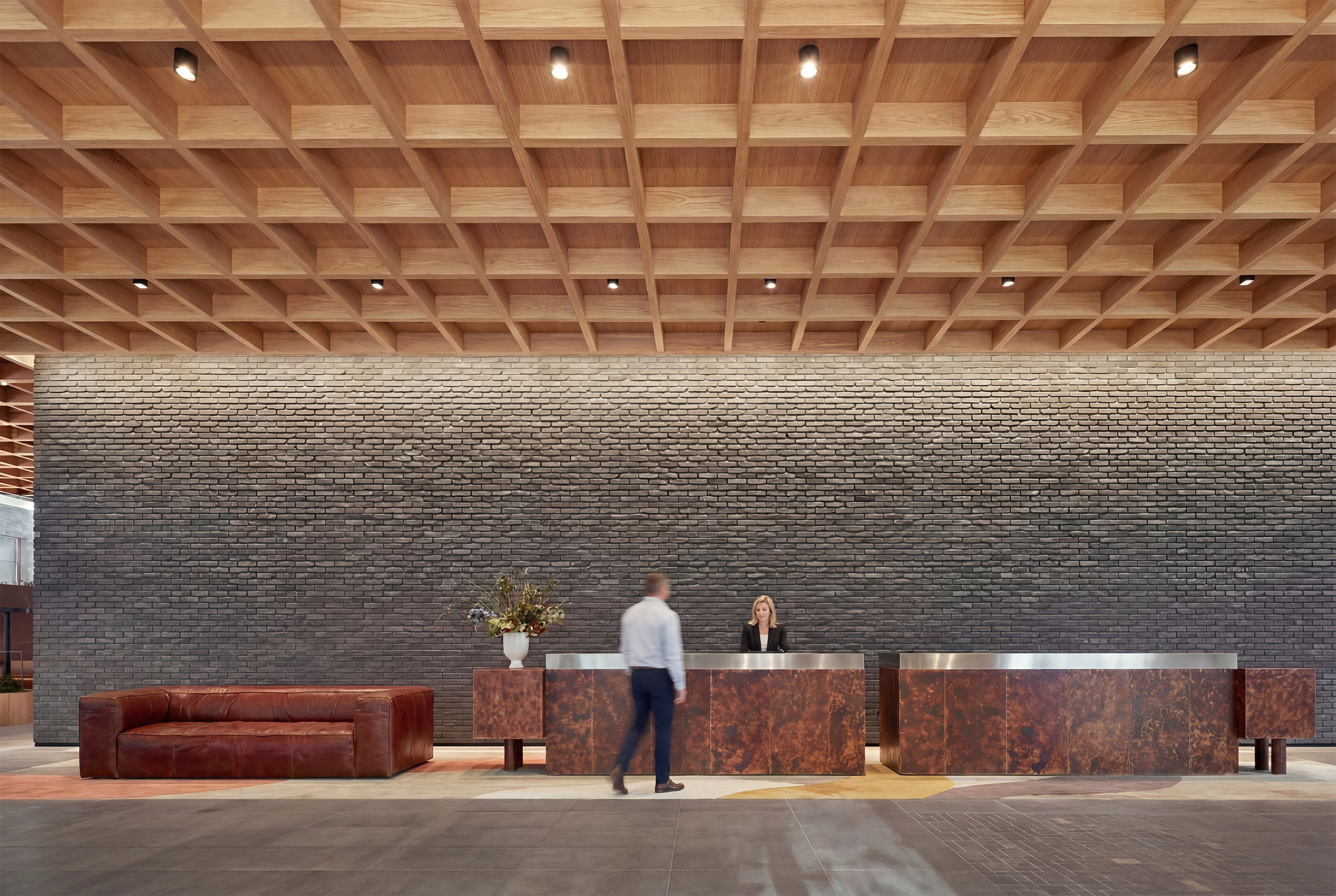
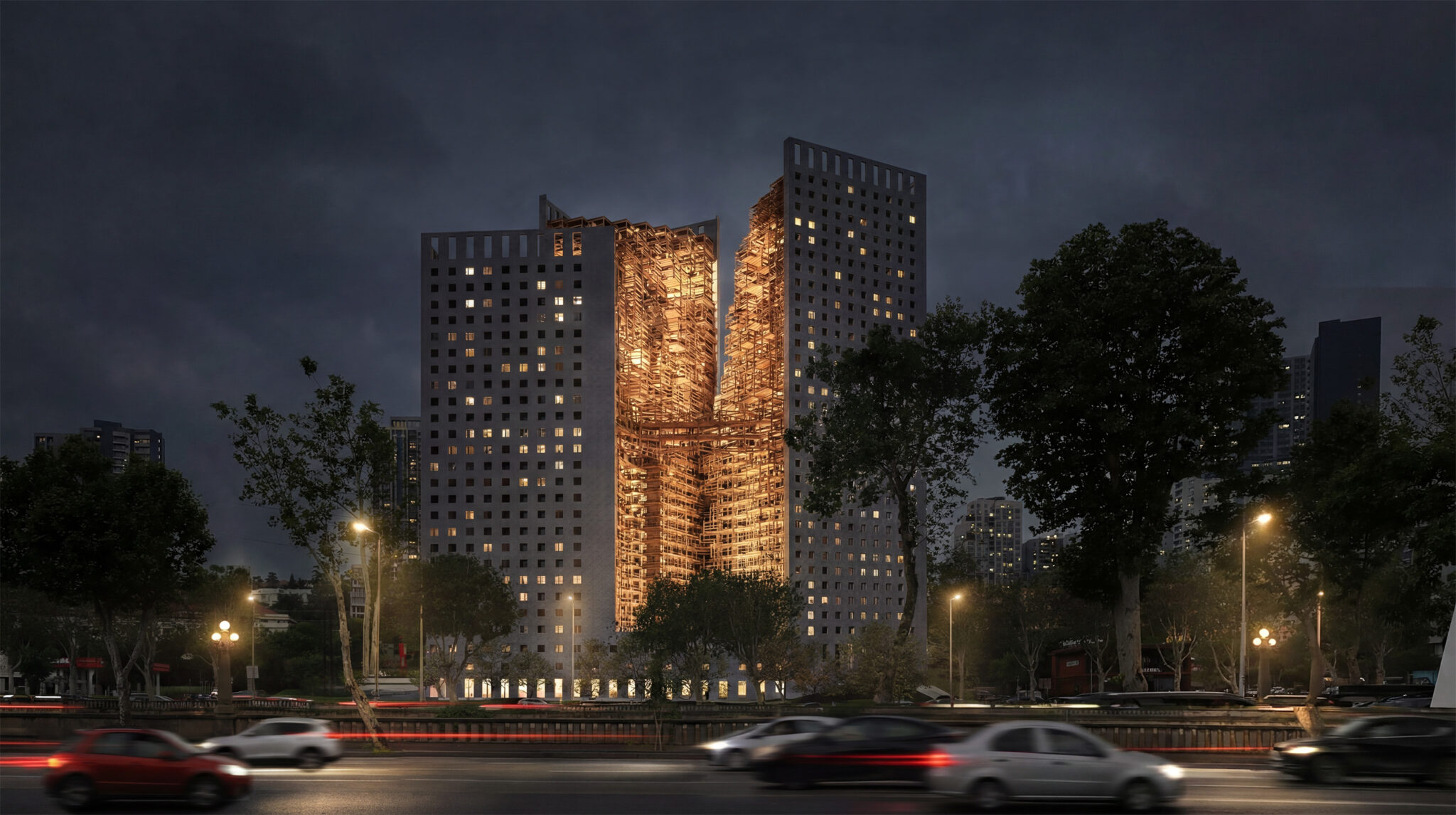
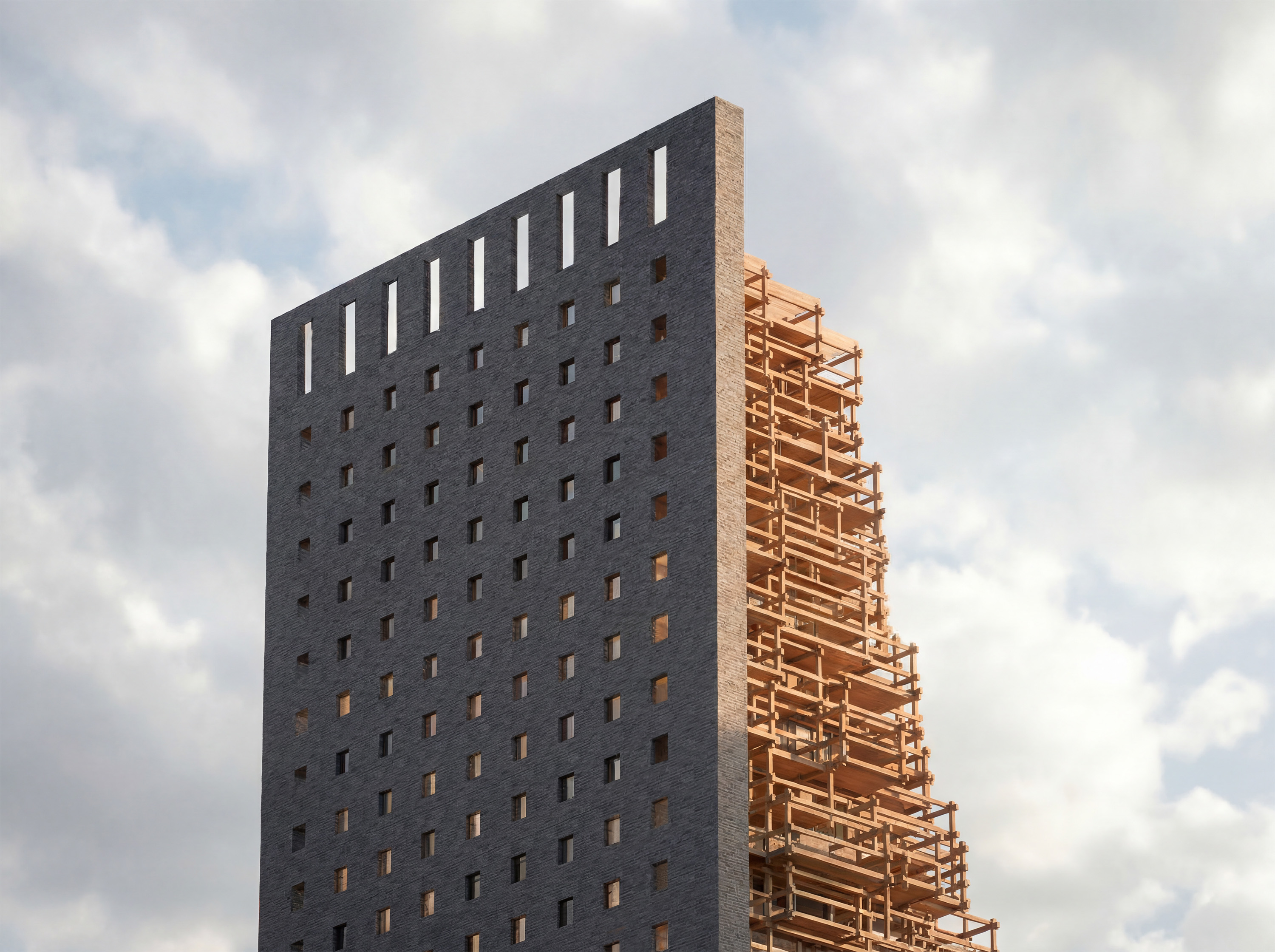
Project Concept: The history of Tbilisi’s residential architecture is uniquely tied to the interplay between brick and wood. In various regions of Georgia, architecture was based on different materials; in southern Georgia, stone primarily defined the construction culture, whereas for Tbilisi, brick architecture became characteristic. Indeed, this synthesis of wood and brick became the main characteristic of old Tbilisi’s architectural identity. Brick creates the urban framework and monumental mass of the city, while wood brings the space down to a human scale, adding warmth and everyday livability.
Project Idea
Our project represents a modern interpretation of this historical relationship. We took the challenge of translating the architectural characteristics of old Tbilisi into the scale of a large, multi-story residential complex.
Compositional Solution
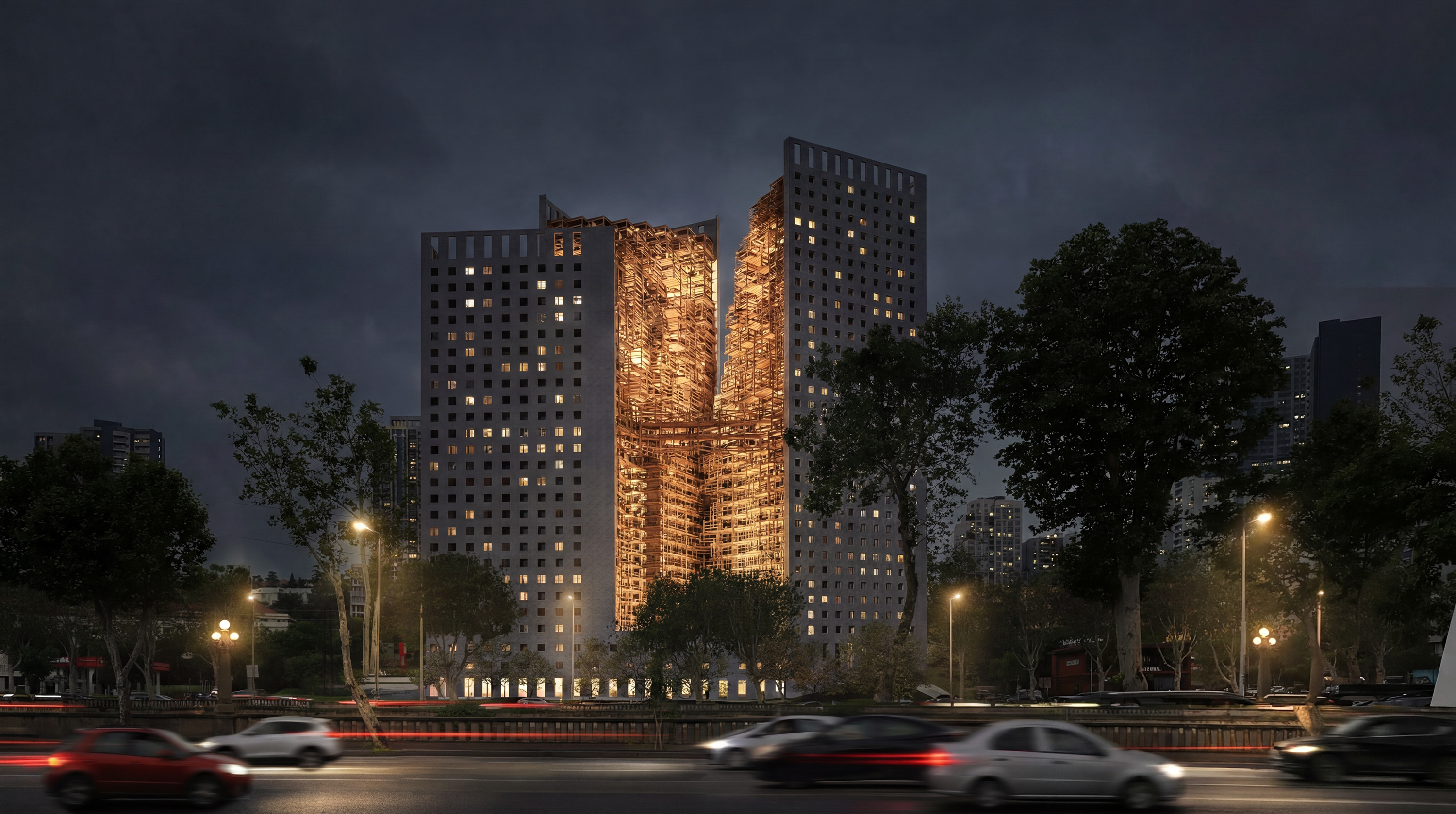
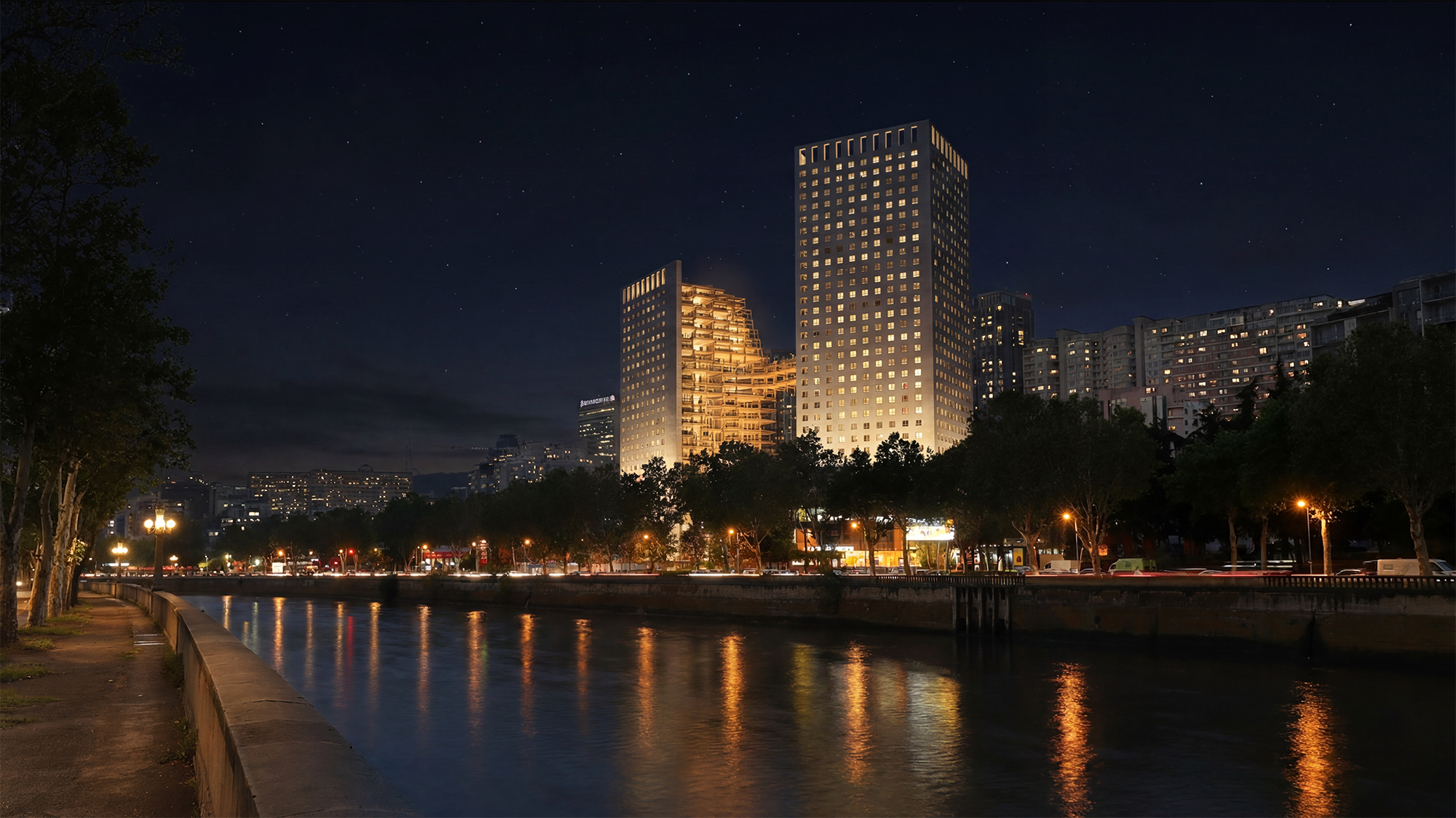
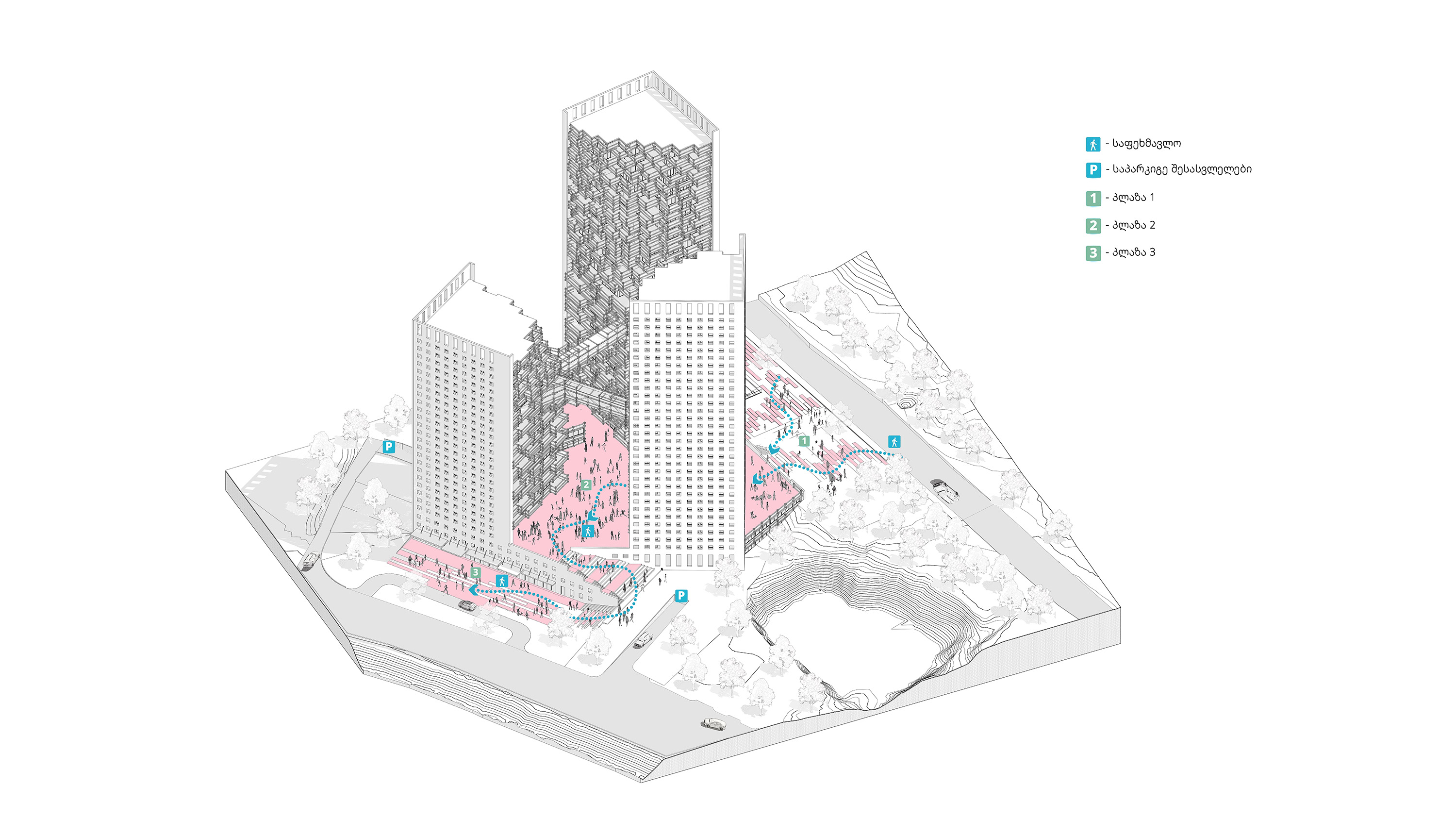
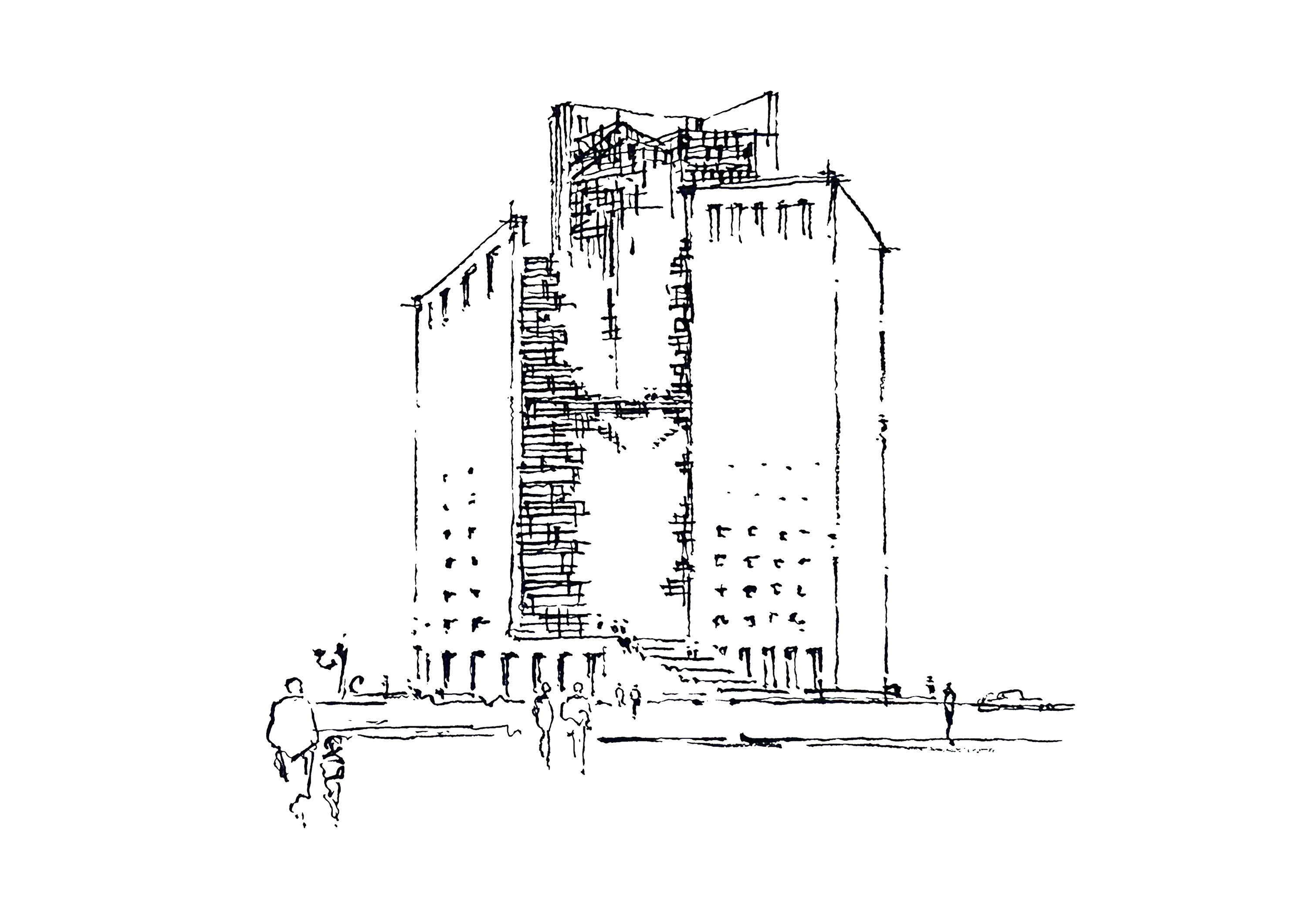
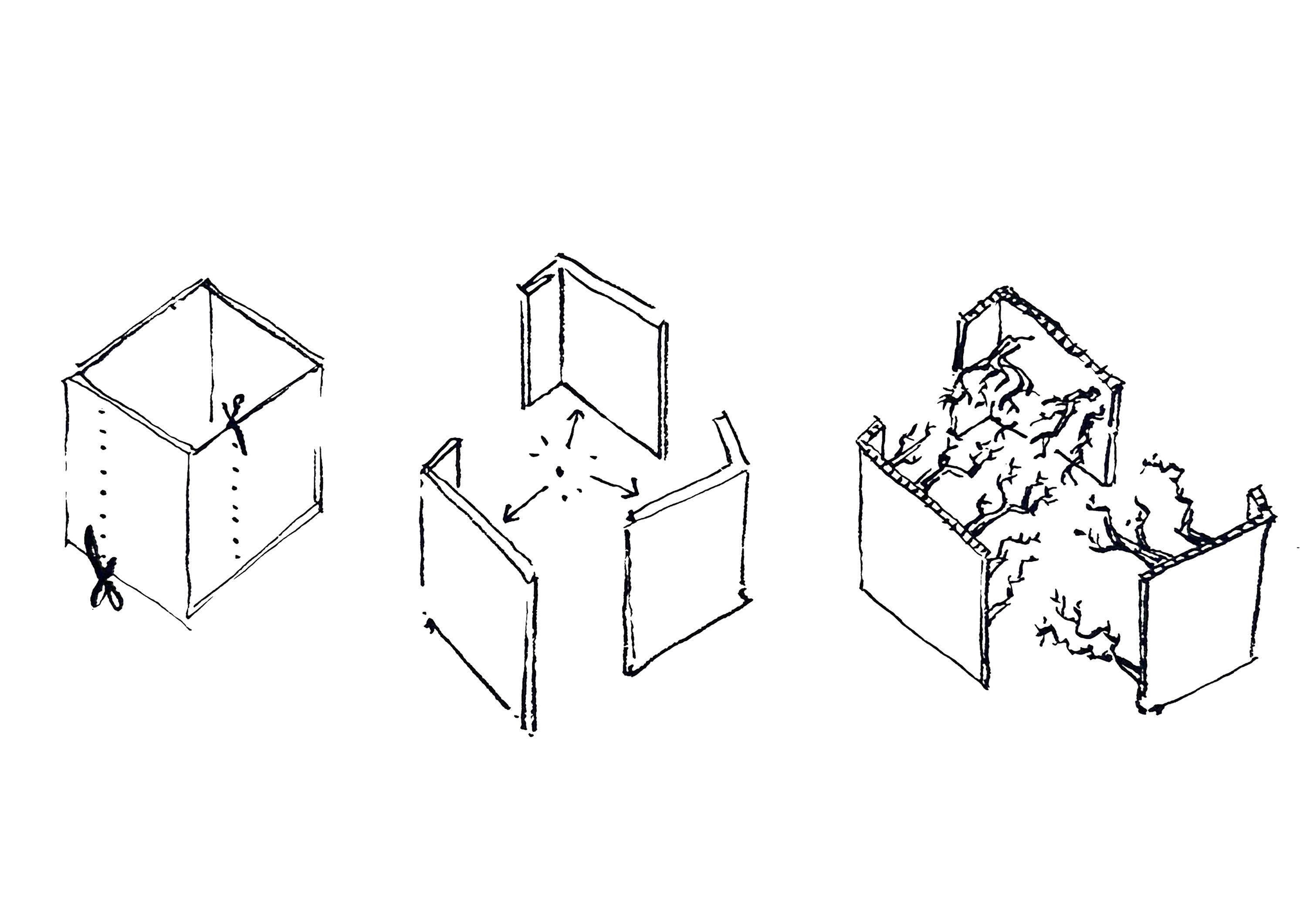
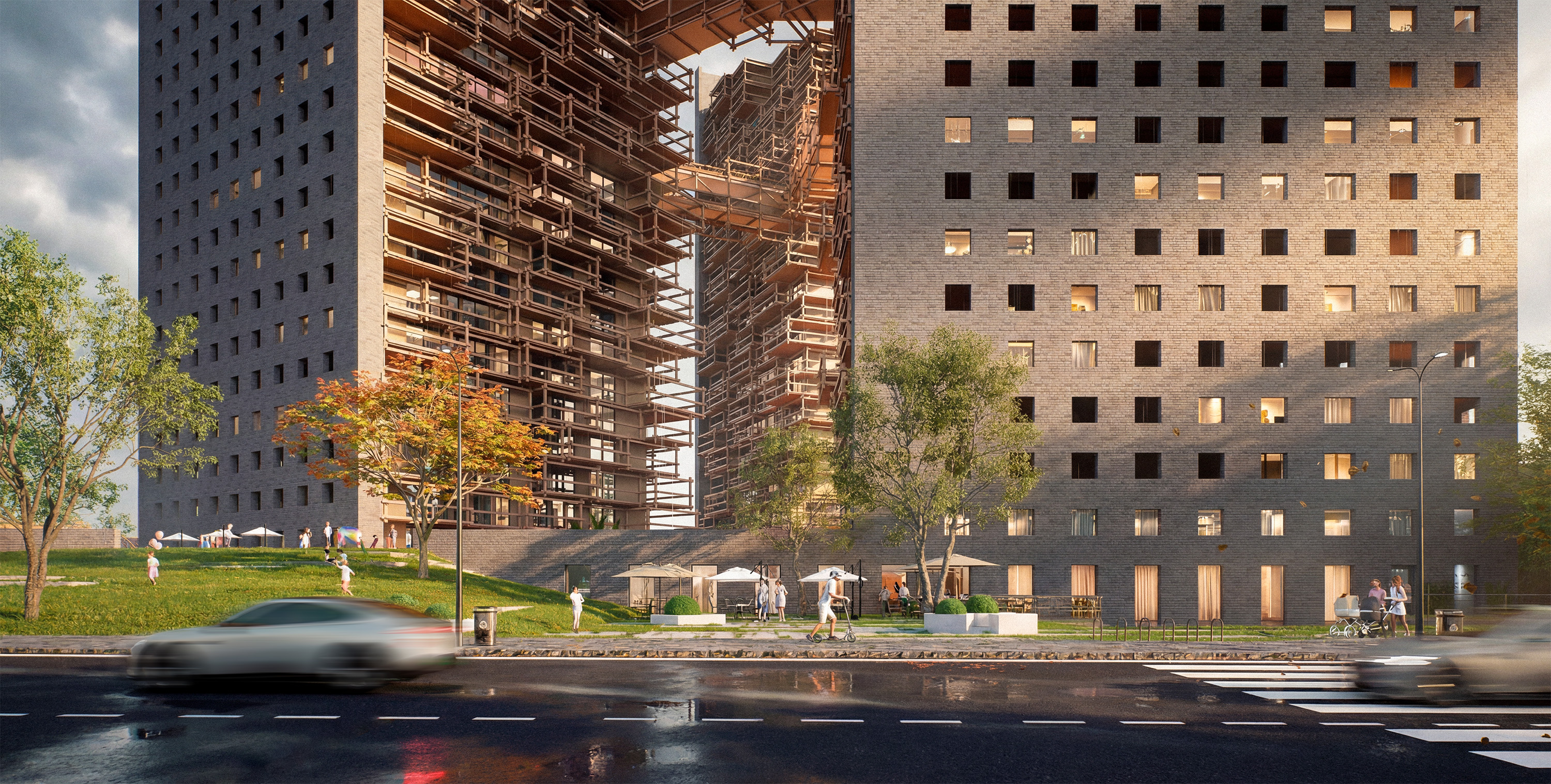
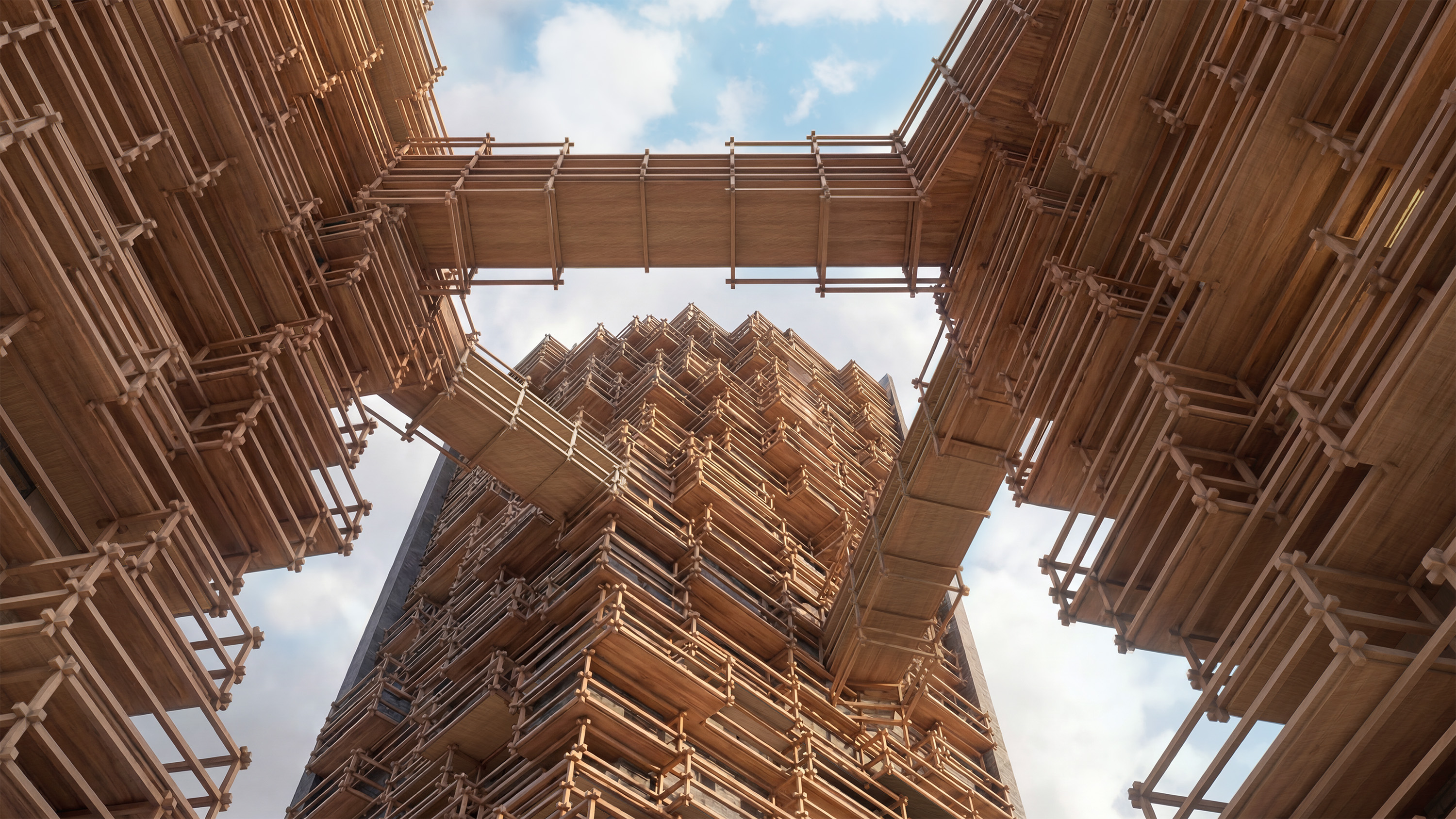
The project consists of three main volumes. The sides facing the city are perceived as strict, monumental brick masses that create a strong urban appearance for the building and enter into a dialogue with the city. These facades retain rhythm, modularity, and structural freshness. Behind this monumental exterior lies a completely different spatial environment—a light, multi-layered, and vibrant inner structure where wooden balconies, terraces, walkways, and connecting bridges form a complex and free system.
Architectural and Social Significance
The project translates the architectural principles of old Tbilisi into a modern language. In historical Tbilisi, facades from the street side often appeared strict and closed, whereas multi-layered, vibrant, and social spaces with wooden balconies and walkways developed in the inner yards. Our project continues this idea on a modern scale: monumental and urban architecture on the outside, and a human-scale, open, and social environment on the inside.